Table of Contents
ToggleWhy Every Beginner Needs Practical Cooking Tips
Starting your cooking journey can feel a little like learning to ride a bicycle for the first time. At first, everything looks confusing—too many ingredients, unfamiliar tools, and recipes that seem longer than a novel. That’s exactly why having a clear cooking tip or two can make the entire experience smoother and far less intimidating. Cooking is not just about following instructions; it’s about understanding how food behaves, how flavors develop, and how small techniques can dramatically improve the final dish.
For beginners, the kitchen can quickly turn from exciting to overwhelming. Many new cooks jump straight into complicated recipes they see online or on social media. The result? Burnt food, messy counters, and a growing belief that cooking is “too hard.” In reality, most cooking mistakes happen because beginners skip fundamental cooking tips that experienced cooks follow automatically. Think of these tips as shortcuts to confidence in the kitchen.
Statistics from food education platforms show that nearly 65% of beginner cooks feel more confident after learning basic kitchen techniques rather than memorizing recipes. That means the secret to better cooking isn’t just cooking more—it’s learning smarter. Small habits like reading recipes properly, preparing ingredients ahead of time, or managing heat correctly can transform even the simplest meal into something delicious.
Another reason cooking tips matter is efficiency. Cooking is often compared to conducting an orchestra. Each ingredient, tool, and step must come in at the right moment. When beginners understand simple techniques, they waste less time, reduce mistakes, and enjoy the process much more. Instead of rushing or panicking, cooking becomes calm, creative, and even relaxing.
The good news? You don’t need professional training or expensive equipment to cook well. You just need practical guidance and a handful of proven strategies. The following beginner-friendly cooking tips will help you build confidence, improve your meals, and make your kitchen experience far more enjoyable.
The Role of a Simple Cooking Tip in Building Kitchen Confidence
Confidence in the kitchen doesn’t magically appear overnight. It grows gradually, one small success at a time. A single useful cooking tip can sometimes make the difference between a stressful cooking experience and a satisfying one. When beginners learn why certain techniques work, they start trusting their own instincts rather than blindly following recipes.
Imagine trying to bake a cake without knowing that oven temperature matters or that ingredients must be measured accurately. The result might be a dense, undercooked disaster. Now imagine someone sharing a simple tip: always preheat the oven and measure ingredients precisely. Suddenly, the same recipe becomes much easier to execute. That’s the power of practical cooking advice—it removes uncertainty.
Professional chefs often say cooking is “a collection of small habits.” These habits include tasting food frequently, preparing ingredients before cooking, and understanding heat control. Each of these habits may sound simple, but together they build a strong cooking foundation. Beginners who learn these basics early progress much faster than those who rely only on trial and error.
Another key aspect of cooking confidence is reducing fear of mistakes. Many beginners worry about ruining a dish, wasting ingredients, or embarrassing themselves when cooking for others. Helpful cooking tips eliminate much of this anxiety. When you know how to prevent common problems—like overcooking pasta or burning garlic—you naturally feel more relaxed while cooking.
There’s also a psychological benefit. Cooking becomes far more enjoyable when you feel capable and prepared. Instead of rushing through a recipe, you begin to appreciate aromas, textures, and flavors developing in the pan. Cooking transforms from a chore into a creative activity, similar to painting or crafting.
Over time, these simple lessons start forming intuition. You’ll instinctively know when a pan is too hot, when a sauce needs more seasoning, or when vegetables are perfectly cooked. That intuition begins with learning and applying beginner-friendly cooking tips like the ones you’re about to explore.
Cooking Tip #1 – Read the Entire Recipe Before You Start
One of the most overlooked yet powerful beginner cooking tips is simply reading the entire recipe before touching a single ingredient. It sounds obvious, but many new cooks skip this step. They start cooking immediately and only discover halfway through that an ingredient needed marinating for an hour or that the oven should have been preheated earlier.
Reading the full recipe first gives you a mental roadmap. Think of it like checking a map before starting a road trip. Without that overview, you might take unnecessary detours or miss important turns. In cooking, these “detours” often lead to burnt food, missing ingredients, or rushed preparation.
When you read a recipe thoroughly, you begin to understand the flow of the dish. You’ll notice preparation steps, cooking times, and how ingredients interact with each other. This knowledge helps you plan better and cook with far less stress. For example, you might realize that chopping vegetables can be done while water is boiling or that a sauce needs constant stirring.
Another benefit of this cooking tip is identifying equipment needs in advance. Some recipes require tools like blenders, baking trays, or strainers. Discovering this halfway through cooking can slow you down or ruin timing. By reviewing the recipe early, you ensure everything is ready before the heat turns on.
Reading recipes also helps beginners understand unfamiliar terms. Words like sauté, simmer, blanch, or fold can confuse new cooks. Seeing them beforehand allows you to quickly look them up or watch a short demonstration. This preparation turns confusing instructions into manageable steps.
Professional chefs rarely start cooking without reviewing the entire recipe or preparation plan. In restaurant kitchens, this planning is essential because timing affects every dish leaving the kitchen. While home cooking is more relaxed, applying the same principle can greatly improve results.
In simple terms, this cooking tip transforms cooking from chaotic guesswork into an organized process. It saves time, prevents mistakes, and helps beginners feel far more in control of their meals.
Understanding Ingredients, Timing, and Equipment
Once you’ve read a recipe from start to finish, the next step is understanding its key elements: ingredients, timing, and equipment. This deeper understanding turns a simple cooking tip into a powerful kitchen skill. Instead of blindly following instructions, you begin to understand why each step exists.
Ingredients are the foundation of any dish. By reviewing them early, you can check whether you already have everything you need. Missing ingredients are one of the most common problems beginner cooks face. Imagine starting a pasta recipe only to discover halfway through that you’re out of garlic or olive oil. Reading ahead prevents these frustrating surprises.
Timing is another critical factor in cooking success. Some ingredients cook quickly, while others take much longer. Vegetables like carrots and potatoes require more cooking time than delicate greens like spinach. If you understand this timing in advance, you can organize your steps efficiently. Many experienced cooks treat cooking like choreography—each step flows smoothly into the next.
Equipment awareness is equally important. Certain recipes require specific tools such as a non-stick pan, a sharp knife, or a baking dish. Using the wrong equipment can drastically affect results. For example, cooking eggs in a poorly heated pan can cause sticking, while baking in the wrong dish size can change cooking times. Knowing what tools are needed allows you to prepare them beforehand.
There’s also an educational aspect to this process. Each time you analyze a recipe’s ingredients, timing, and tools, you learn patterns. Over time, you’ll notice that soups often start with sautéed onions and garlic, sauces usually require gradual heat control, and baked goods depend heavily on precise measurements.
This deeper awareness transforms cooking from simple instruction-following into skill-building. The more recipes you study this way, the faster your cooking intuition grows. What once felt complicated begins to feel natural.
Ultimately, this expanded approach to a basic cooking tip helps beginners move from confusion to clarity. The kitchen becomes less about guessing and more about understanding, which is the first real step toward becoming a confident home cook.
Cooking Tip #2 – Prepare All Ingredients Before Cooking
One of the most transformative habits a beginner can adopt in the kitchen is preparing all ingredients before the cooking process begins. This simple yet powerful cooking tip is widely practiced by professional chefs and is often referred to as the backbone of an organized kitchen. Many beginner cooks make the mistake of chopping vegetables while the pan is already heating or searching for spices while food is cooking. That multitasking may look efficient, but it usually leads to burnt ingredients, rushed preparation, and unnecessary stress.
Preparing ingredients in advance eliminates that chaos. Before turning on the stove, take a few minutes to wash, peel, chop, measure, and arrange everything you’ll need. When cooking begins, you can simply focus on timing and technique instead of scrambling to catch up. Cooking suddenly becomes smoother, almost like following a well-rehearsed routine.
Imagine cooking a stir-fry. The process moves quickly—oil heats, vegetables cook rapidly, sauces are added, and the dish finishes in minutes. If ingredients aren’t ready beforehand, you may find yourself chopping carrots while garlic burns in the pan. But when everything is prepared ahead of time, each step flows naturally. This small organizational habit dramatically improves cooking results.
Preparation also improves accuracy. Measuring spices or liquids in advance ensures that flavors remain balanced. When you’re not rushing, you’re less likely to accidentally add too much salt or forget a key ingredient. This attention to detail helps beginners achieve more consistent outcomes in their dishes.
Another benefit of this cooking tip is confidence. When ingredients are neatly arranged on the counter, cooking feels less intimidating. You can clearly see every component of the dish and understand how they’ll come together. It creates a sense of control that makes the cooking experience far more enjoyable.
Professional kitchens rely heavily on preparation for efficiency. In fact, many chefs spend more time preparing ingredients than actually cooking them. By adopting this habit at home, beginners can bring a touch of professional discipline into their own kitchens.
In short, preparing ingredients before cooking transforms the kitchen from a stressful environment into an organized workspace where creativity and flavor can truly shine.
The Power of “Mise en Place” in Home Cooking
The French culinary term “mise en place” literally translates to “everything in its place.” It represents one of the most important organizational philosophies in cooking, and understanding it is a valuable cooking tip for anyone starting their culinary journey. In professional kitchens, chefs carefully measure, chop, and arrange every ingredient before cooking begins. This practice ensures efficiency, precision, and consistency.
At first glance, mise en place may seem unnecessary for simple home cooking. After all, why spend extra time arranging ingredients when you could just start cooking? The answer becomes clear once you experience how much smoother the process becomes. When everything is prepared and placed within reach, you eliminate distractions and mistakes.
For example, imagine preparing a soup recipe. Instead of cutting vegetables while the pot heats, you chop onions, carrots, and celery beforehand. You measure spices into small bowls and keep broth ready nearby. Once cooking starts, each ingredient is added at exactly the right moment without rushing or confusion.
Mise en place also improves kitchen cleanliness. When ingredients are prepared in advance, there’s less mess created during cooking. You’re not constantly switching between cutting boards, drawers, and spice cabinets. This organized workflow keeps your kitchen calm and manageable.
Interestingly, many culinary schools teach mise en place as the first rule of cooking. Chef Anthony Bourdain once described it as the habit that separates amateur cooks from professionals. It allows chefs to focus on creativity and flavor instead of scrambling to find ingredients.
For beginners, adopting this habit can dramatically improve efficiency. Cooking becomes faster, dishes turn out more consistent, and the entire experience feels less overwhelming. Even simple meals like omelets, pasta, or salads benefit from this preparation method.
Another hidden advantage is learning ingredient relationships. When all components are visible before cooking begins, you can better understand how flavors combine. You’ll start noticing patterns in recipes, such as which herbs complement certain proteins or how spices balance acidity.
By embracing this cooking tip, beginners gain an organized approach that simplifies cooking and builds confidence in the kitchen.
Cooking Tip #3 – Start With Simple Recipes
Many beginners assume that becoming a good cook means tackling complicated recipes immediately. They attempt elaborate dishes filled with unfamiliar techniques and long ingredient lists. Unfortunately, this approach often leads to frustration and disappointment. A far better cooking tip is starting with simple recipes that build essential skills gradually.
Simple dishes allow you to focus on learning techniques rather than juggling too many variables at once. Recipes like scrambled eggs, pasta, stir-fried vegetables, or grilled chicken may seem basic, but they teach important lessons about heat control, seasoning, and timing. Mastering these fundamentals provides a solid foundation for more complex cooking later.
Think of cooking skills like learning a musical instrument. A beginner pianist doesn’t start by performing a difficult concerto. They begin with simple scales and short melodies. These early exercises strengthen coordination and understanding of rhythm. Cooking works the same way—simple recipes build confidence and develop essential kitchen instincts.
Another benefit of starting small is consistency. When beginners attempt overly complicated recipes, they often become overwhelmed by multiple steps happening simultaneously. Simple dishes reduce that pressure. You can concentrate on one or two techniques at a time and gradually improve with each attempt.
Simple recipes also help beginners understand ingredients better. When a dish contains only a few components, the flavor of each ingredient becomes more noticeable. You begin to recognize how garlic enhances vegetables, how herbs brighten a dish, or how salt transforms bland food into something delicious.
Over time, these experiences create an internal understanding of flavor balance. Once you master a handful of basic dishes, expanding into more advanced recipes becomes much easier. Suddenly, techniques like sautéing, roasting, and simmering feel familiar rather than intimidating.
Following this cooking tip doesn’t mean limiting creativity. In fact, simple recipes often leave room for experimentation. You might try adding different herbs to pasta, experimenting with spices in roasted vegetables, or adjusting sauces to suit your taste.
Starting simple allows beginners to learn faster, enjoy the process more, and develop genuine cooking confidence.
How Simple Dishes Build Strong Cooking Foundations
Simple dishes are often underestimated, yet they serve as the training ground for nearly every great cook. Understanding why basic meals matter is an important cooking tip that beginners should embrace early. Many professional chefs actually recommend mastering a handful of simple dishes before attempting complex cuisine.
Take scrambled eggs as an example. At first glance, they seem incredibly easy to make. But cooking perfect scrambled eggs teaches several key skills: controlling heat, timing cooking stages, seasoning properly, and recognizing texture changes. These same principles apply to many other dishes.
Cooking pasta offers another valuable learning experience. You learn how to boil water properly, season it with salt, monitor cooking time, and combine sauces with the right consistency. Each step might seem minor, but together they create a foundation for understanding how ingredients behave under heat.
Simple dishes also allow beginners to practice repetition. The more frequently you cook something, the more comfortable you become with the process. Repetition strengthens muscle memory, improves speed, and builds intuition. Eventually, you’ll perform tasks like chopping vegetables or seasoning food almost automatically.
There’s also a confidence factor involved. Successfully preparing simple meals creates positive reinforcement. Each successful dish reminds you that cooking isn’t mysterious or complicated—it’s simply a skill that improves with practice.
Interestingly, research from culinary training programs suggests that students who master basic recipes early progress faster in advanced techniques. That’s because they already understand the fundamentals of heat, flavor, and ingredient preparation.
Simple cooking also encourages experimentation. Once you’re comfortable with a basic dish, you can modify it easily. Add herbs, adjust spices, swap vegetables, or try different sauces. These small experiments help you develop a personal cooking style.
This cooking tip ultimately highlights a powerful truth: greatness in the kitchen doesn’t start with complicated recipes. It starts with mastering the basics and building skills step by step.
Cooking Tip #4 – Learn Basic Knife Skills
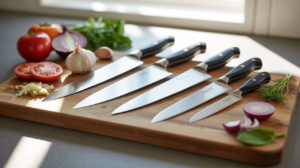
Knife skills are one of the most valuable abilities any cook can develop. For beginners, understanding how to properly use a knife is more than just a convenience—it’s an essential cooking tip that improves safety, efficiency, and food presentation. Many kitchen tasks revolve around cutting ingredients, so mastering this skill early makes cooking significantly easier.
A sharp, well-handled knife can transform your cooking experience. Surprisingly, sharp knives are actually safer than dull ones. When a knife is dull, it requires more force to cut through food, increasing the chance of slipping and causing injury. A sharp blade, on the other hand, slices smoothly and precisely with minimal effort.
Proper knife technique also speeds up preparation time. Chopping vegetables evenly ensures that they cook at the same rate. Uneven cuts can lead to some pieces being overcooked while others remain undercooked. Uniform slicing helps dishes look more appealing and taste more balanced.
Learning knife skills also introduces beginners to essential cutting styles such as dicing, slicing, mincing, and julienne. Each technique serves a purpose in cooking. For example, finely minced garlic releases stronger flavor, while sliced vegetables maintain texture in stir-fries.
Another advantage of this cooking tip is improved kitchen organization. Efficient cutting reduces preparation time, allowing you to focus more on cooking techniques and flavor development. Instead of struggling with uneven pieces, you’ll feel more in control of the process.
Professional chefs spend years refining their knife skills because they understand how much it impacts overall cooking quality. While beginners don’t need to reach professional speed immediately, practicing proper technique from the start creates strong habits.
With a sharp knife, a stable cutting board, and a little practice, even beginners can quickly improve their food preparation skills.
Essential Knife Techniques Every Beginner Should Know
Developing a few fundamental knife techniques can dramatically improve both speed and confidence in the kitchen. Many beginner cooks assume knife mastery requires years of professional training, but the truth is that learning just a handful of techniques can make a significant difference. This cooking tip focuses on the essential cutting skills that form the backbone of efficient food preparation.
One of the most important techniques is the basic chop. Chopping is used for vegetables like onions, tomatoes, and peppers. The key is maintaining consistent sizes so that food cooks evenly. Uneven pieces lead to inconsistent cooking—some pieces burn while others remain raw. Keeping cuts uniform ensures balanced texture and flavor throughout a dish.
Another crucial skill is dicing, which involves cutting ingredients into small, cube-shaped pieces. Diced vegetables are commonly used in soups, sauces, and sautéed dishes. Smaller pieces cook faster and blend smoothly with other ingredients. When beginners practice dicing, they also improve their control over knife movement and precision.
Slicing is another frequently used technique, especially for meats, fruits, and vegetables. Thin slices allow ingredients to cook quickly and absorb seasoning more effectively. Think about sliced mushrooms in pasta or thinly sliced chicken in stir-fry—these cuts help flavors distribute evenly throughout the dish.
Then there’s mincing, which is often used for garlic, ginger, and herbs. Mincing releases oils and intensifies flavor. Finely chopped garlic, for example, spreads its aroma throughout a dish far more effectively than large chunks.
Another useful beginner skill is the julienne cut, which produces thin matchstick-like strips of vegetables. Julienne cuts are common in salads, stir-fries, and garnishes. While it may sound fancy, it’s simply a method of slicing vegetables into thin, even strips.
Proper hand positioning is just as important as the cutting technique itself. Professional chefs often use the “claw grip”, where fingers curl inward while holding the ingredient. This protects fingertips and guides the knife for more accurate cuts.
Practicing these techniques regularly turns preparation into a smooth, rhythmic process. Over time, you’ll notice how faster chopping and more precise cuts make cooking far less stressful. This simple cooking tip helps beginners develop one of the most valuable kitchen skills they’ll ever use.
Cooking Tip #5 – Taste Your Food While Cooking
One habit separates confident cooks from those who struggle in the kitchen: tasting food during the cooking process. This may seem obvious, but many beginners forget to do it. Treating tasting as a regular cooking tip helps ensure your dish develops balanced flavor from start to finish.
Cooking is not a rigid science—it’s an evolving process. Ingredients change as they heat, combine, and absorb seasoning. What tastes bland at the beginning may become perfectly seasoned by the end, while something that initially seems balanced might become too salty or too acidic later. Tasting allows you to monitor these changes and adjust accordingly.
Professional chefs taste constantly while cooking. It’s part of their workflow, just like stirring or adjusting heat. By sampling small portions throughout the process, they can correct seasoning before it becomes a problem. For beginners, adopting this habit can dramatically improve cooking results.
Salt is one of the most common adjustments made during tasting. Too little salt leaves food dull and flat, while too much overwhelms other flavors. Tasting allows you to gradually add seasoning until the balance feels right. It’s much easier to add a small pinch at a time than to fix a dish that has already become overly salty.
Tasting also helps identify flavor gaps. Maybe the dish needs a touch of acidity from lemon juice, a hint of sweetness, or an extra herb. These small adjustments can transform a dish from average to memorable.
Another benefit of this cooking tip is developing your palate. As you taste ingredients throughout cooking, you begin recognizing how flavors evolve. Garlic becomes sweeter as it cooks, onions caramelize and deepen in flavor, and spices release aromas when heated.
Over time, tasting while cooking builds intuition. You’ll begin to anticipate what a dish needs before it even finishes cooking. This instinct is what turns beginner cooks into confident home chefs.
Adjusting Seasoning Like a Professional Chef
Seasoning is often the invisible ingredient that determines whether a dish tastes amazing or disappointingly bland. Learning how to adjust seasoning properly is an essential cooking tip that dramatically improves food quality. Many beginners either under-season their food or add too much salt at once without tasting.
Professional chefs approach seasoning gradually. Instead of dumping large amounts of salt or spices into a dish, they build flavor in layers. Each stage of cooking receives a small amount of seasoning, allowing ingredients to develop complexity over time.
Salt is the most important seasoning tool in the kitchen. It enhances natural flavors rather than simply making food taste salty. When used correctly, salt highlights sweetness in vegetables, balances acidity in sauces, and deepens savory flavors in meats and soups.
Acidity is another crucial element. Ingredients like lemon juice, vinegar, or tomatoes can brighten a dish and prevent it from tasting heavy. If a meal feels dull or flat, adding a small amount of acid can instantly elevate the flavor profile.
Sweetness also plays a balancing role in cooking. A pinch of sugar can soften sharp acidity in tomato sauces or balance spicy dishes. The goal isn’t to make food sweet but to create harmony between flavors.
Herbs and spices provide another layer of seasoning. Fresh herbs like basil, parsley, or cilantro add freshness and aroma. Dried spices such as cumin, paprika, or turmeric contribute warmth and depth.
One useful strategy is seasoning at different stages of cooking. For example:
- Season proteins before cooking.
- Add spices while sautéing aromatics.
- Adjust salt and acidity at the end.
This layered approach ensures that flavor develops naturally instead of feeling one-dimensional.
By practicing this cooking tip, beginners learn that seasoning isn’t just about salt—it’s about balance. When salt, acidity, sweetness, and aroma work together, even simple dishes become incredibly satisfying.
Cooking Tip #6 – Control Your Heat
Heat control is one of the most important skills in cooking, yet it’s often misunderstood by beginners. Many new cooks assume that higher heat will cook food faster and therefore produce better results. In reality, improper heat management is responsible for many common cooking mistakes. Understanding how to control temperature is a critical cooking tip for improving kitchen success.
Different foods require different heat levels. High heat is useful for searing meats or stir-frying vegetables quickly. Medium heat works well for sautéing and cooking eggs. Low heat is ideal for simmering sauces, melting butter, or slow-cooking delicate ingredients.
Using heat incorrectly can ruin a dish quickly. Garlic, for instance, burns within seconds on high heat and becomes bitter. Onions, on the other hand, benefit from slow cooking, which allows their natural sugars to caramelize and develop sweetness.
Controlling heat also affects texture. High heat can create a crispy exterior on meats and vegetables, while lower heat ensures the inside cooks thoroughly without burning the outside.
Another factor beginners often overlook is pan preheating. Placing food in a cold pan can cause sticking and uneven cooking. Allowing the pan to heat properly ensures ingredients cook consistently and develop better flavor.
A good cooking tip is to treat heat like a dial rather than a simple on/off switch. Adjust it throughout the cooking process depending on how the food behaves. If something begins browning too quickly, reduce the heat. If it’s cooking too slowly, increase it slightly.
Mastering heat control takes practice, but once understood, it becomes one of the most powerful tools in cooking. It allows beginners to achieve better textures, prevent burning, and bring out the best flavors in every ingredient.
Understanding the Difference Between High, Medium, and Low Heat
Many recipes simply instruct cooks to use “high,” “medium,” or “low” heat, but these terms can be confusing for beginners. Understanding what these levels mean in practice is an essential cooking tip that improves consistency and prevents kitchen disasters.
High heat is typically used for fast cooking methods like searing meat or stir-frying vegetables. At this temperature, food cooks quickly and develops a flavorful brown crust known as the Maillard reaction. This reaction is responsible for the rich flavor in grilled steak, roasted vegetables, and toasted bread.
Medium heat is the most commonly used temperature in home cooking. It’s perfect for sautéing vegetables, cooking eggs, or preparing sauces. Medium heat allows ingredients to cook evenly without burning too quickly.
Low heat is used for gentle cooking processes such as simmering soups, melting chocolate, or slow-cooking sauces. Low temperatures prevent delicate ingredients from scorching while allowing flavors to blend gradually.
Understanding these heat levels helps beginners follow recipes more accurately. For example, cooking chicken on excessively high heat may burn the outside while leaving the inside undercooked. Using moderate heat ensures even cooking and safer results.
Visual cues can also guide heat adjustments. If oil begins smoking heavily, the pan is likely too hot. If vegetables barely sizzle when added to the pan, the heat may be too low.
This cooking tip teaches beginners to observe and respond to how food behaves during cooking. Over time, you’ll instinctively know when to raise or lower the heat for perfect results.
Cooking Tip #7 – Don’t Overcrowd the Pan
One of the most common beginner mistakes is placing too much food into a pan at once. While it may seem efficient, overcrowding prevents ingredients from cooking properly. This cooking tip emphasizes the importance of giving food enough space to cook evenly.
When too many ingredients are packed into a pan, they release moisture as they cook. Instead of browning, the food begins to steam. This results in soggy vegetables, pale meat, and less flavorful dishes.
Proper spacing allows heat to circulate around each ingredient. This encourages caramelization, the process that gives foods their golden-brown color and rich flavor. Without that space, food simply cooks in its own moisture.
A helpful strategy is cooking ingredients in smaller batches. While it may take a little longer, the improved flavor and texture are worth the extra effort. Professional chefs often cook proteins and vegetables separately before combining them in the final dish.
Choosing the right pan size also helps. Large pans provide more surface area for food to spread out evenly. When the pan feels crowded, it’s usually a sign that you should reduce the amount being cooked at one time.
Following this cooking tip ensures that ingredients develop the crispy edges and deep flavors that make meals truly satisfying.
Why Space Matters When Cooking Food
The science behind cooking space is closely related to heat transfer and moisture evaporation. Understanding this concept is a valuable cooking tip that explains why professional kitchens prioritize proper pan usage.
When food touches a hot surface, moisture begins evaporating. This evaporation allows browning reactions to occur, producing complex flavors and appealing textures. If the pan is overcrowded, moisture becomes trapped and prevents these reactions from happening.
Vegetables illustrate this effect clearly. Spread mushrooms across a large pan, and they’ll brown beautifully with a rich, savory flavor. Place them all together in a crowded pan, and they’ll release water, becoming soft and pale instead.
Proteins behave similarly. A steak cooked with enough space forms a delicious crust. But if multiple pieces of meat are squeezed together, they’ll steam instead of sear.
Giving ingredients space also improves temperature stability. When too much cold food enters the pan at once, it drastically lowers the pan’s temperature. This slows cooking and prevents proper browning.
Professional chefs understand that space equals flavor. By respecting this simple principle, beginners can dramatically improve the taste and appearance of their meals.
Cooking Tip #8 – Use Fresh Ingredients Whenever Possible
Fresh ingredients can dramatically influence the flavor and quality of a dish. One of the most valuable cooking tips beginners can follow is prioritizing fresh produce, herbs, and proteins whenever possible. While frozen or packaged ingredients are sometimes convenient, fresh components often deliver brighter flavors, better texture, and improved nutritional value.
Vegetables are a perfect example. Fresh tomatoes, peppers, and leafy greens contain natural sweetness and vibrant color that processed alternatives often lack. When cooked properly, fresh vegetables develop complex flavors that elevate even the simplest dishes.
Fresh herbs also make a noticeable difference. Basil, cilantro, parsley, and mint release aromatic oils that instantly enhance a recipe. Dried herbs can still be useful, but fresh herbs typically provide a more vivid and balanced taste.
Proteins benefit from freshness as well. Fresh fish, poultry, and meat tend to have better texture and flavor compared to heavily processed versions. The difference becomes especially noticeable in simple dishes where ingredients aren’t masked by heavy sauces.
Using fresh ingredients also encourages healthier cooking habits. Whole foods contain more natural nutrients and fewer additives than packaged alternatives.
By following this cooking tip, beginners learn to appreciate the natural flavors of ingredients and create meals that feel both satisfying and vibrant.
How Ingredient Quality Impacts Flavor
Ingredient quality often determines the final outcome of a dish more than complex techniques. This cooking tip highlights a truth many professional chefs emphasize: great cooking begins with great ingredients.
Imagine making a simple tomato sauce. With bland, watery tomatoes, the sauce may taste flat regardless of how well it’s cooked. But with ripe, flavorful tomatoes, even a simple preparation with garlic and olive oil becomes delicious.
Quality ingredients contain richer natural flavors, which means less seasoning is needed. Fresh vegetables taste sweeter, fresh herbs smell more fragrant, and fresh meats maintain better texture during cooking.
Seasonal ingredients are often the best choice because they are harvested at peak ripeness. Farmers’ markets are excellent places to find produce that hasn’t traveled long distances, preserving flavor and nutrients.
While high-end ingredients can be wonderful, quality doesn’t always mean expensive. Choosing ripe fruits, vibrant vegetables, and properly stored proteins already improves cooking results significantly.
Following this cooking tip helps beginners focus on the most important part of cooking: letting natural ingredients shine.
Cooking Tip #9 – Keep Your Kitchen Organized
An organized kitchen creates a calmer and more enjoyable cooking environment. Many beginners underestimate how much clutter and disorganization can affect their cooking experience. This cooking tip encourages developing habits that keep your workspace tidy and efficient.
Keeping tools and ingredients in predictable places saves time and reduces frustration. Imagine searching for a spatula while food is burning on the stove—organization prevents these stressful moments.
Cleaning as you cook is another valuable habit. Washing cutting boards, knives, and bowls during downtime keeps the kitchen manageable. Instead of facing a mountain of dishes after the meal, you maintain control throughout the process.
Organization also improves safety. Clear counters reduce the risk of accidents, spills, or misplaced knives.
By following this cooking tip, beginners create a workspace where cooking feels relaxed rather than chaotic.
Smart Kitchen Habits That Save Time and Stress
Small organizational habits can make a big difference in everyday cooking. One effective cooking tip is establishing simple routines that streamline kitchen tasks.
For example, keeping frequently used tools—such as spatulas, knives, and measuring spoons—within easy reach speeds up preparation. Labeling spice jars or arranging them alphabetically can also reduce time spent searching for ingredients.
Another helpful habit is prepping ingredients in advance for the week. Washing vegetables, marinating proteins, or pre-chopping onions can make weekday cooking significantly faster.
These small routines gradually transform cooking into a smooth and efficient process.
Cooking Tip #10 – Practice Consistently and Be Patient
Cooking is a skill that improves with repetition. The final cooking tip for beginners is simple but powerful: practice regularly and be patient with yourself. Every great cook started as a beginner who occasionally burned food or misread recipes.
Each time you cook, you gain experience with ingredients, heat, timing, and flavor combinations. Even mistakes provide valuable lessons that help refine your technique.
Cooking should also be enjoyable. Experimenting with flavors, trying new dishes, and sharing meals with others makes the learning process rewarding.
Patience is key. Skills develop gradually, but with consistent practice, your confidence and ability will grow steadily.
Conclusion
Learning to cook doesn’t require professional training or expensive equipment—it simply requires the right mindset and a few essential cooking tips. From reading recipes carefully and preparing ingredients in advance to mastering knife skills and controlling heat, each technique plays a role in building kitchen confidence.
As beginners apply these ten tips, cooking becomes less intimidating and more enjoyable. Small improvements in organization, seasoning, and ingredient quality quickly lead to better meals and greater satisfaction.
With time, practice, and curiosity, anyone can transform simple ingredients into delicious dishes. The kitchen becomes not just a place for preparing food, but a space for creativity, comfort, and discovery.
FAQs
1. What is the most important cooking tip for beginners?
The most important cooking tip is reading the entire recipe before starting. This helps you understand the steps, timing, ingredients, and equipment needed, preventing mistakes during cooking.
2. Why do chefs prepare ingredients before cooking?
This practice, called mise en place, keeps cooking organized and efficient. Preparing ingredients in advance ensures smooth workflow and prevents food from burning while you search for ingredients.
3. How can beginners improve their cooking skills quickly?
Practice regularly, start with simple recipes, learn basic knife skills, and taste food while cooking. These habits accelerate learning and build confidence in the kitchen.
4. Why is heat control important in cooking?
Different foods require different temperatures. Proper heat control prevents burning, improves texture, and allows ingredients to cook evenly.
5. How does ingredient quality affect cooking results?
High-quality ingredients provide better natural flavor, aroma, and texture. Even simple recipes taste significantly better when made with fresh, high-quality components.